Flanders
September 2026
· 31 frames
· 2 stops
Belgium was part of my first trip to Europe, back in 2018, and Bruges stayed with me. I slept inside the old town and had its canals almost to myself at night. Now that Europe is home, it was nice to come back at my own pace.
This time I started in Ghent, which I had missed the first time. The Belfry and St Bavo's close the view at the end of almost every street, and Gravensteen, a 12th-century castle, sits right in the middle of town.
In Bruges, I met two childhood friends who happened to be visiting Belgium at the same time. The daytime crowds were nothing like the quiet nights I remembered, but I didn't mind. We were too busy catching up. The trip ended in Antwerp.
Open the map
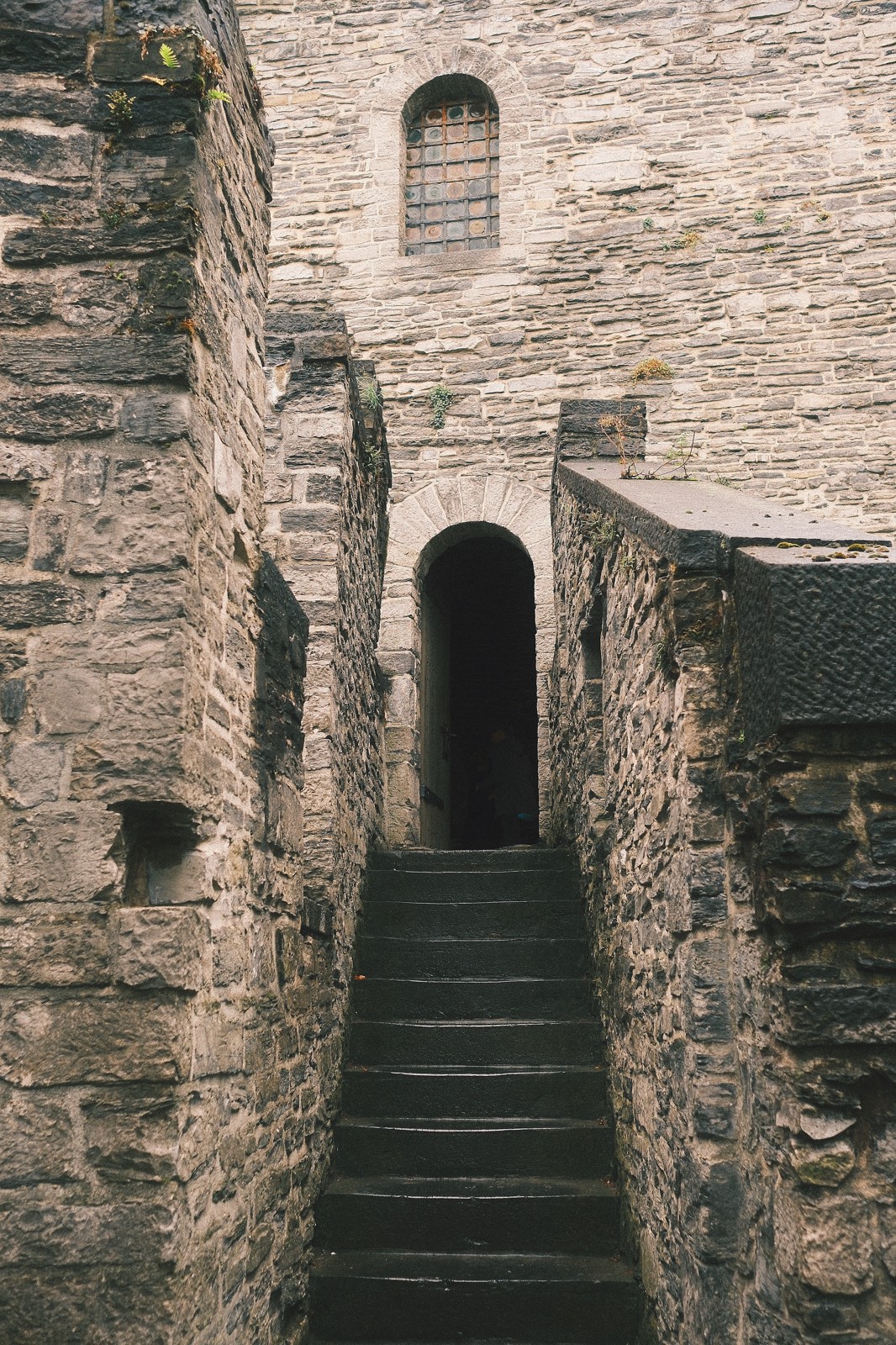
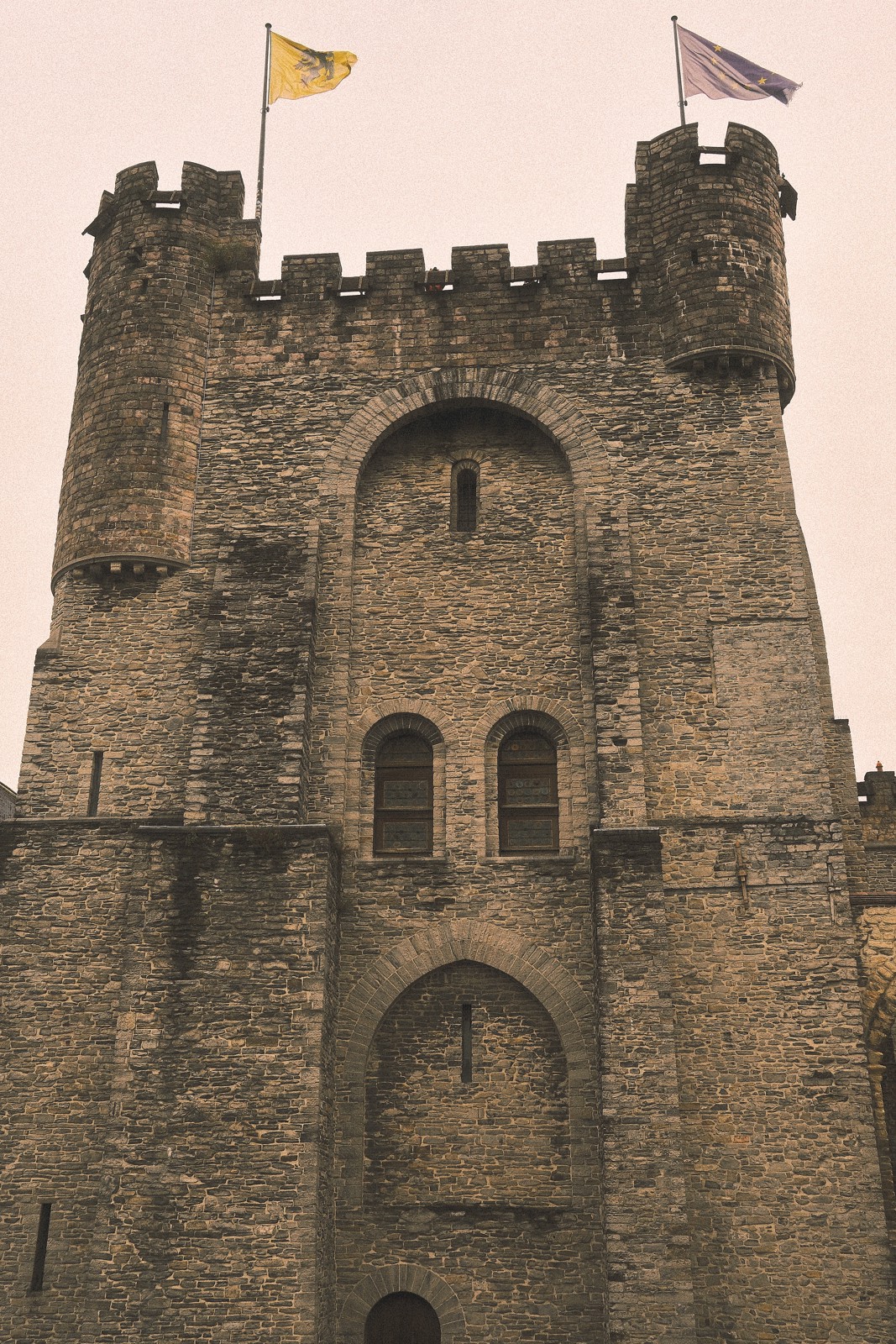
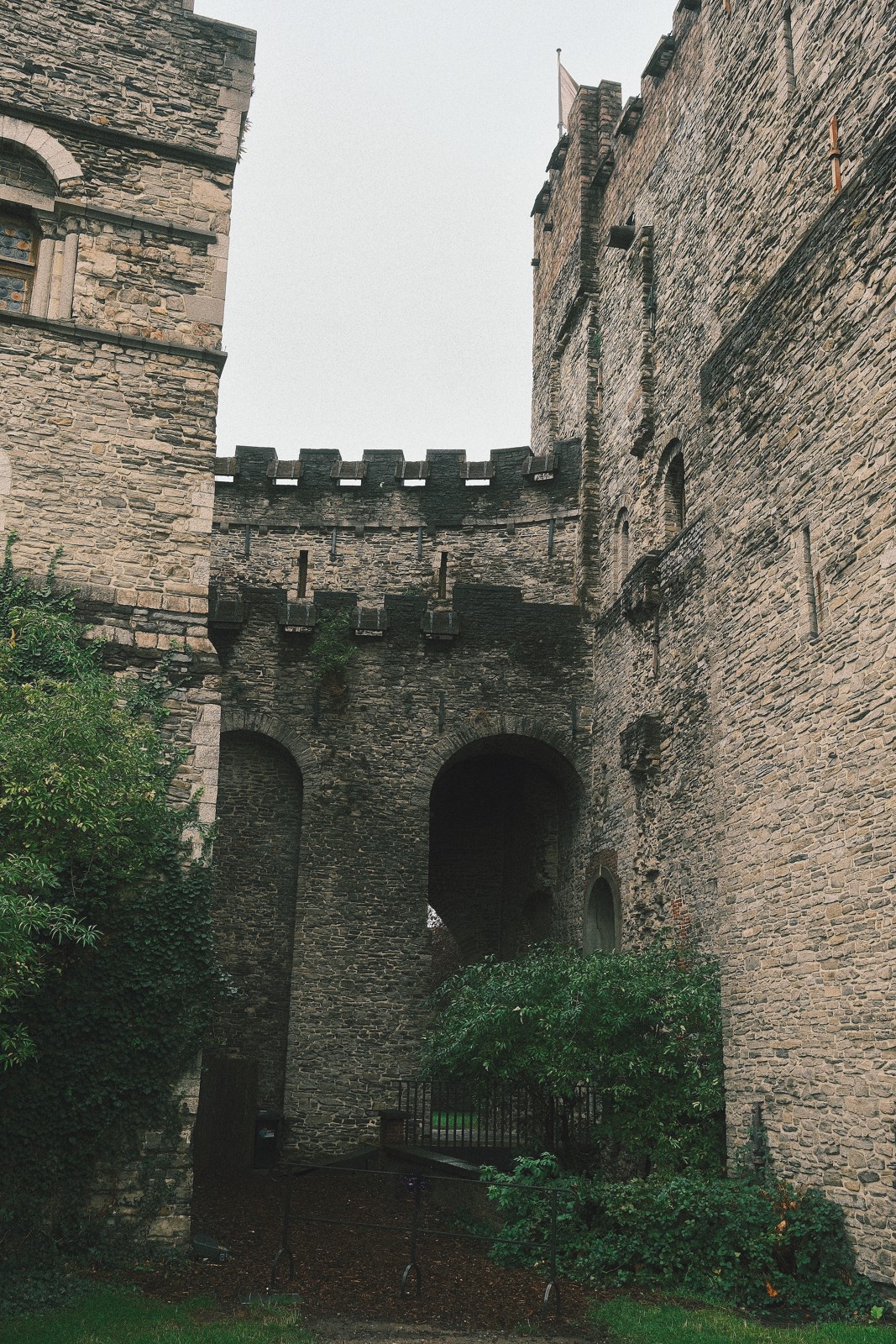
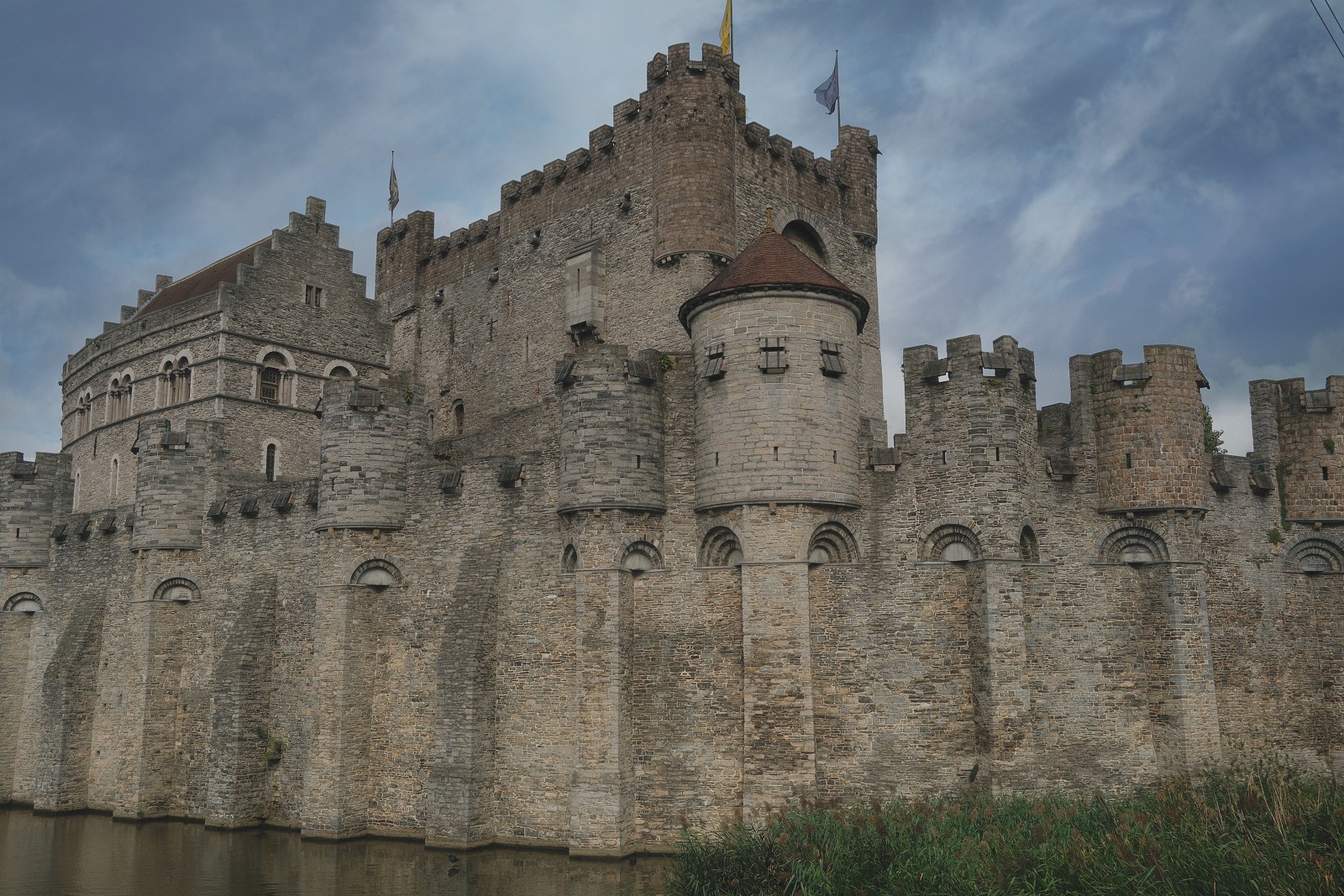 Built in 1180, Gravensteen has also been a courthouse, a prison, and even a cotton mill. I ended up spending hours inside.
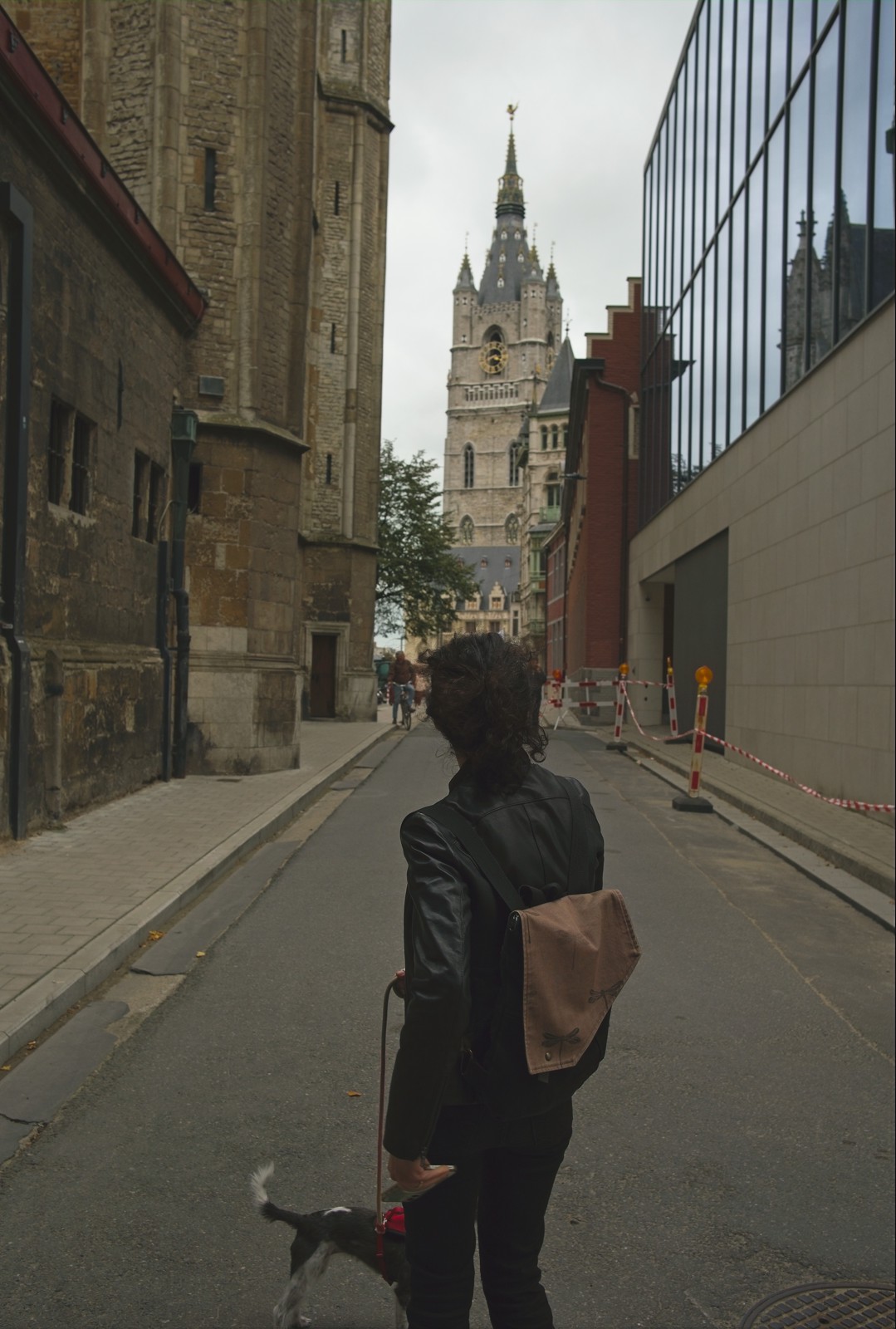 Most of Ghent's old centre has been car-free since 2017, and you feel it. Walking around was easy.
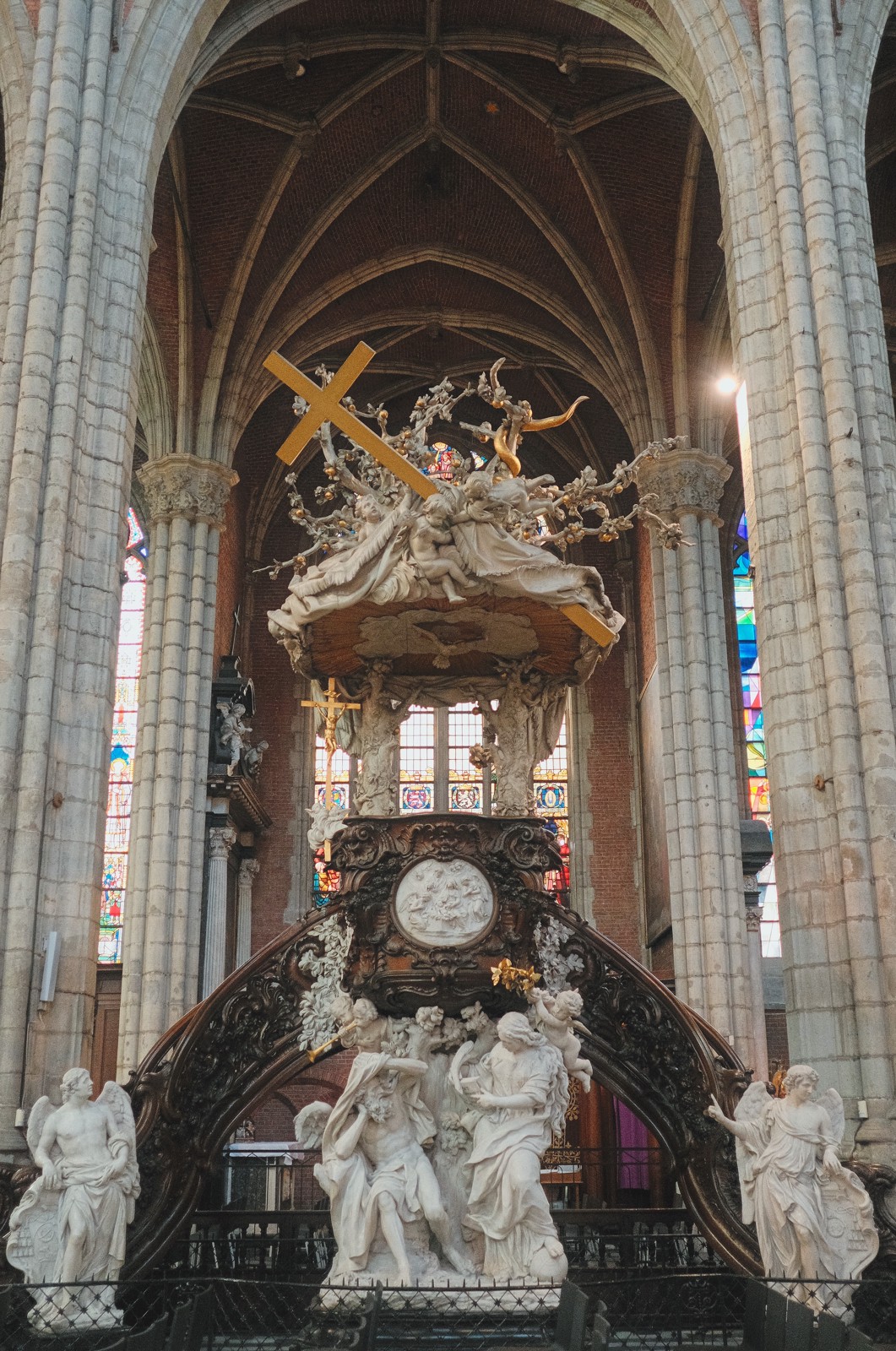
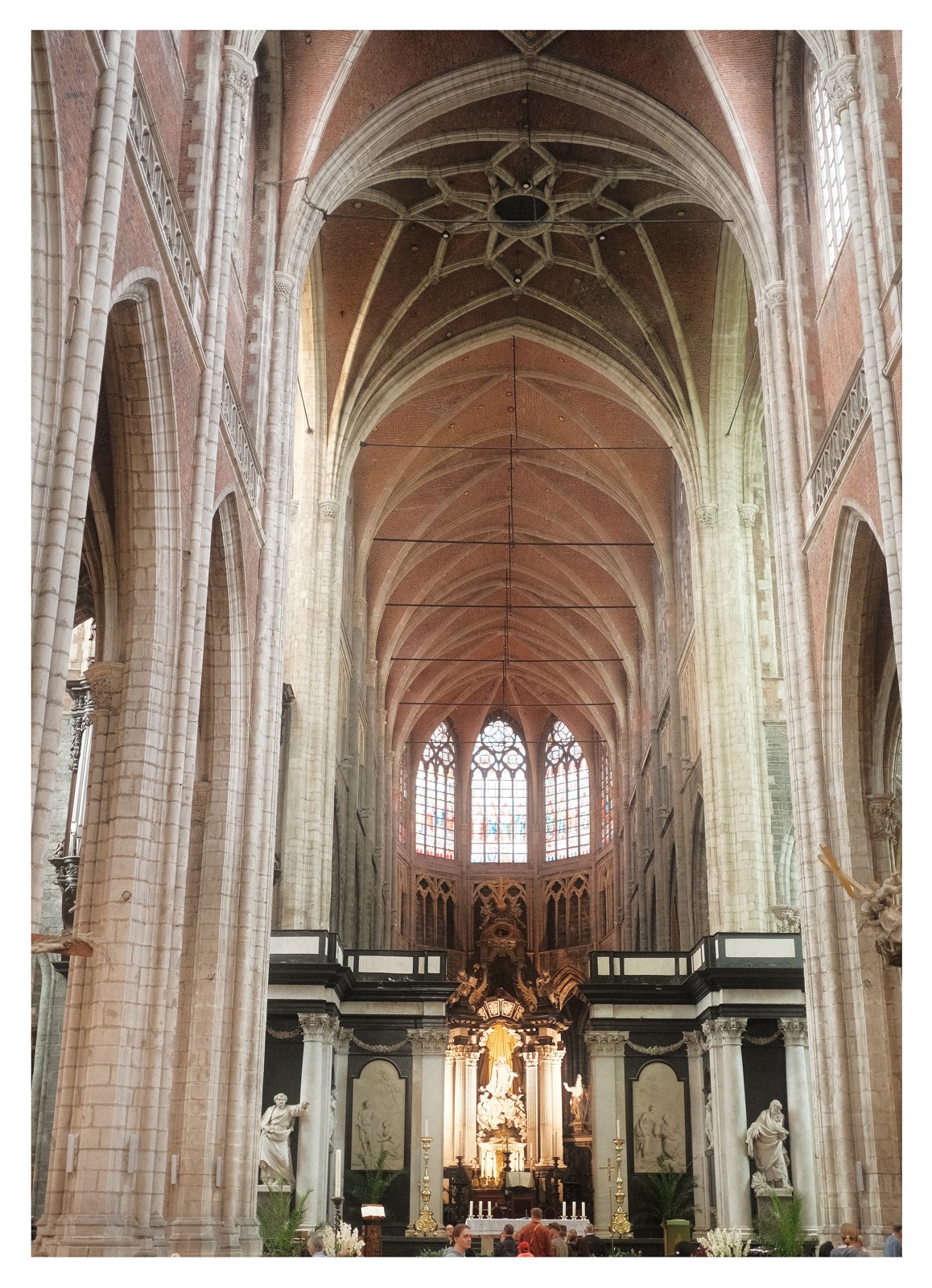 The Ghent Altarpiece is kept here in St Bavo's. One of its panels was stolen in 1934 and has never been found, which is still hard to believe.
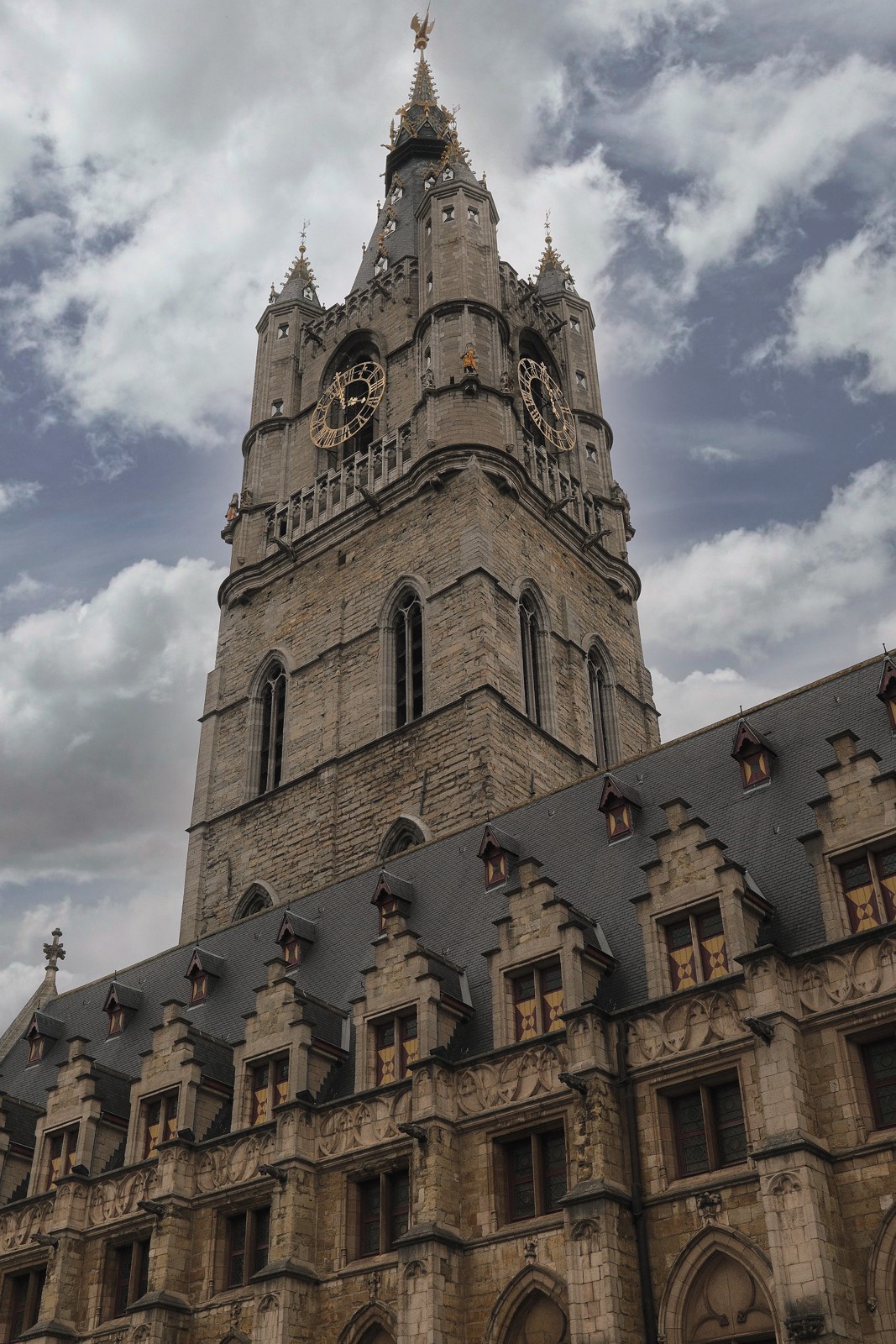 Looking up at the Belfry. For centuries, Ghent kept its city charters in here, locked in iron chests.
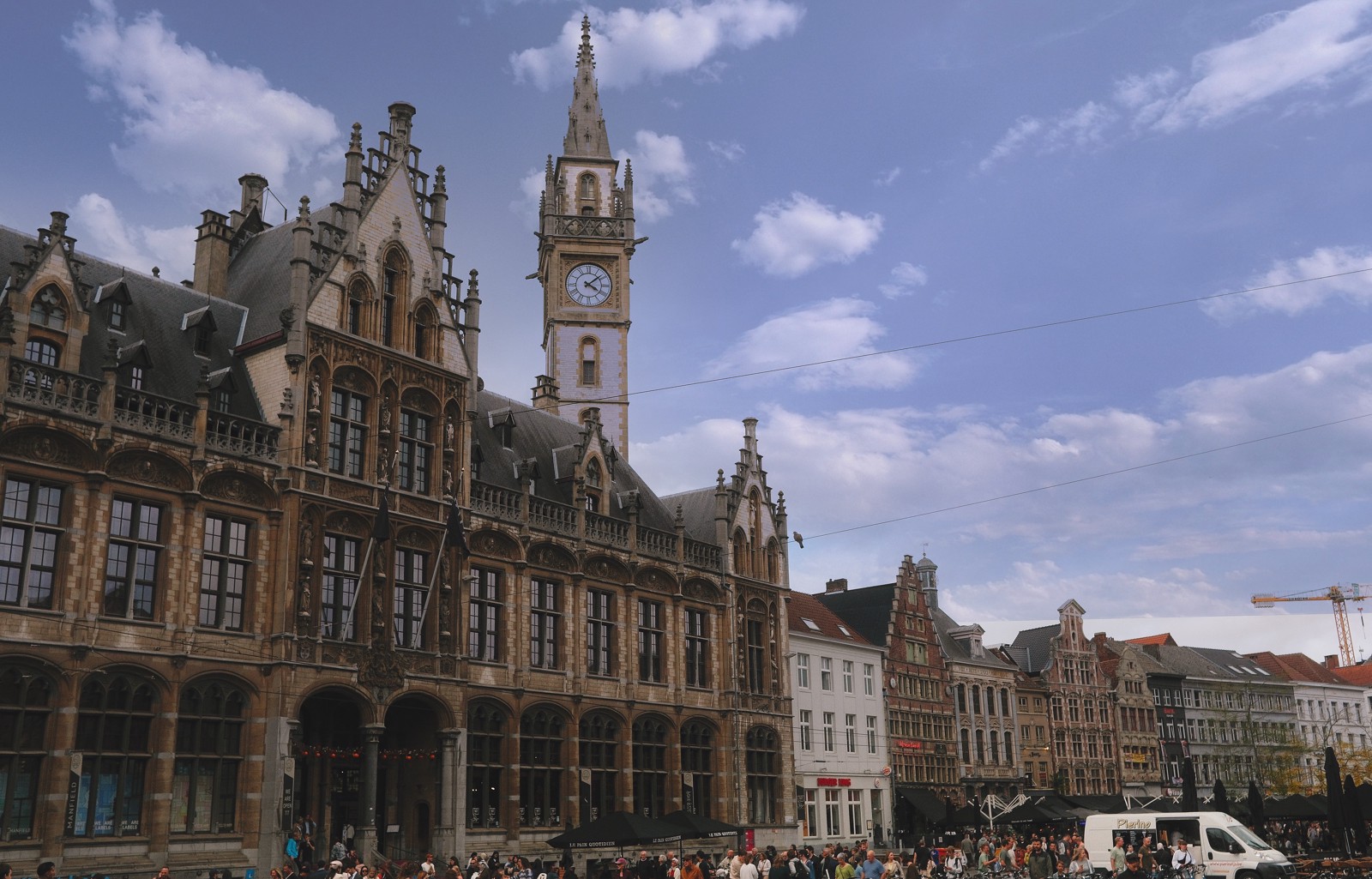 Hard to believe this was just the post office. The counters closed in 2001, and it's now a hotel and shopping centre.
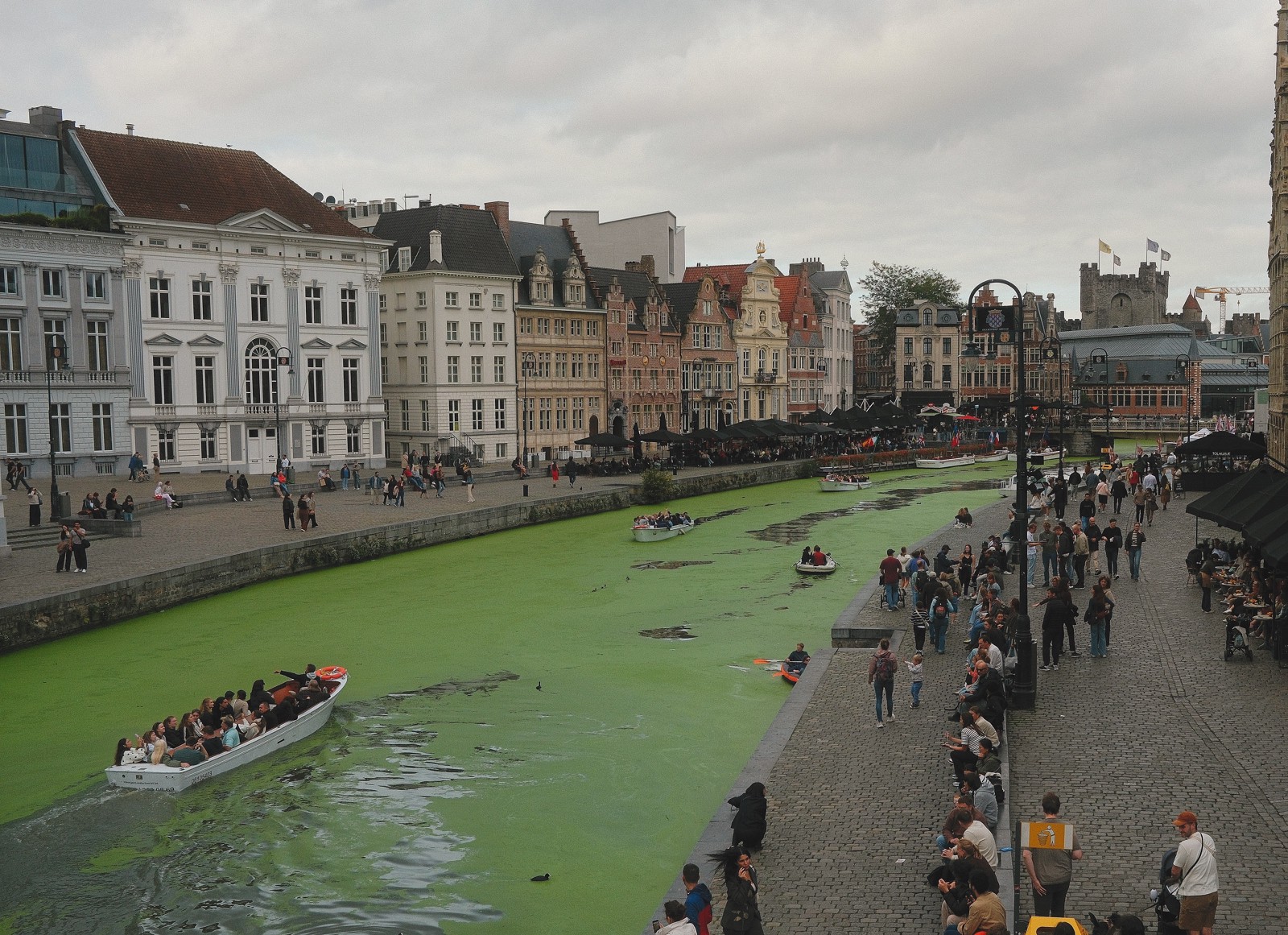 The Graslei was Ghent's medieval harbour. These days it's tour boats and people sitting along the quay.
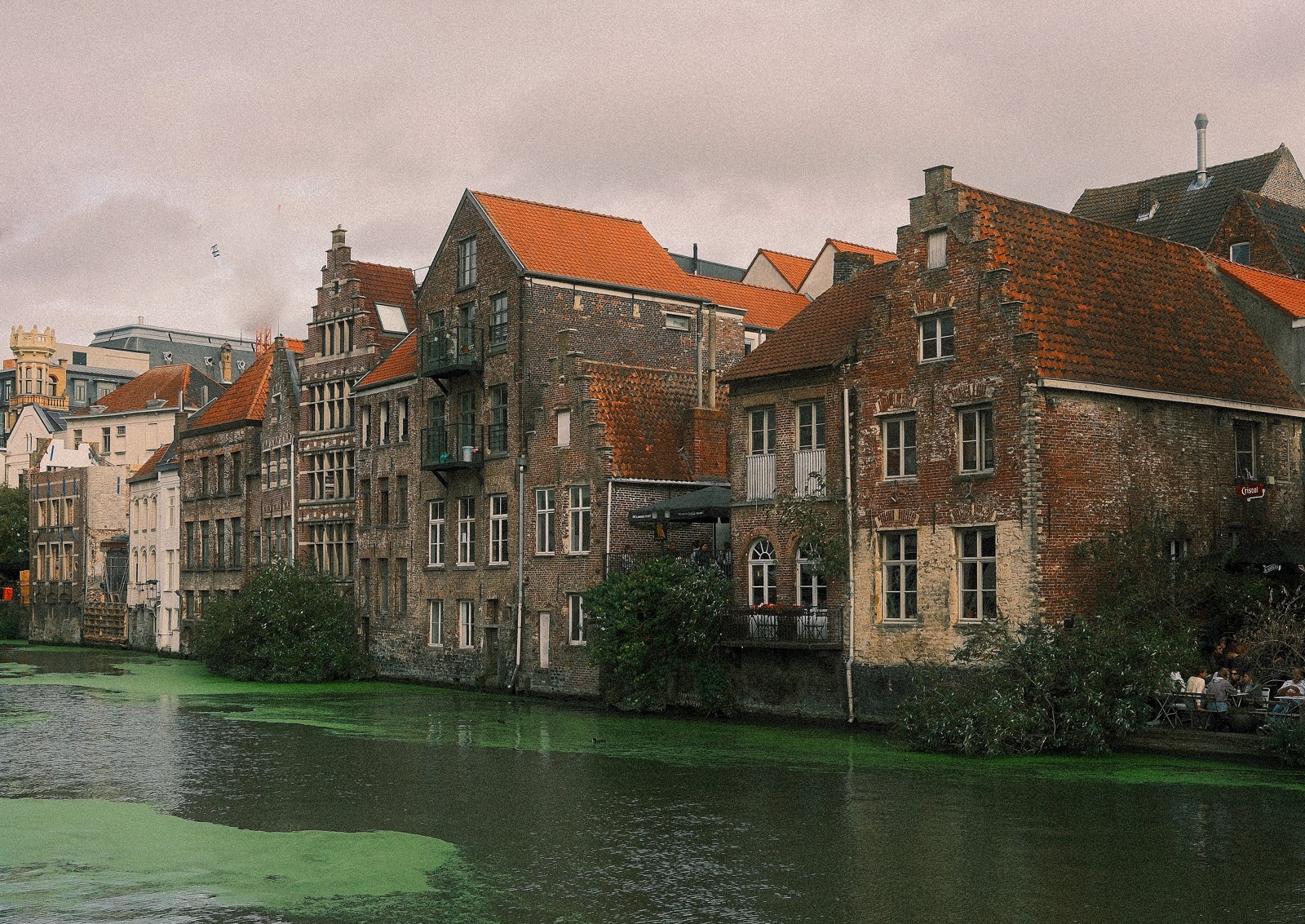 The canals were covered in bright green duckweed when I visited.
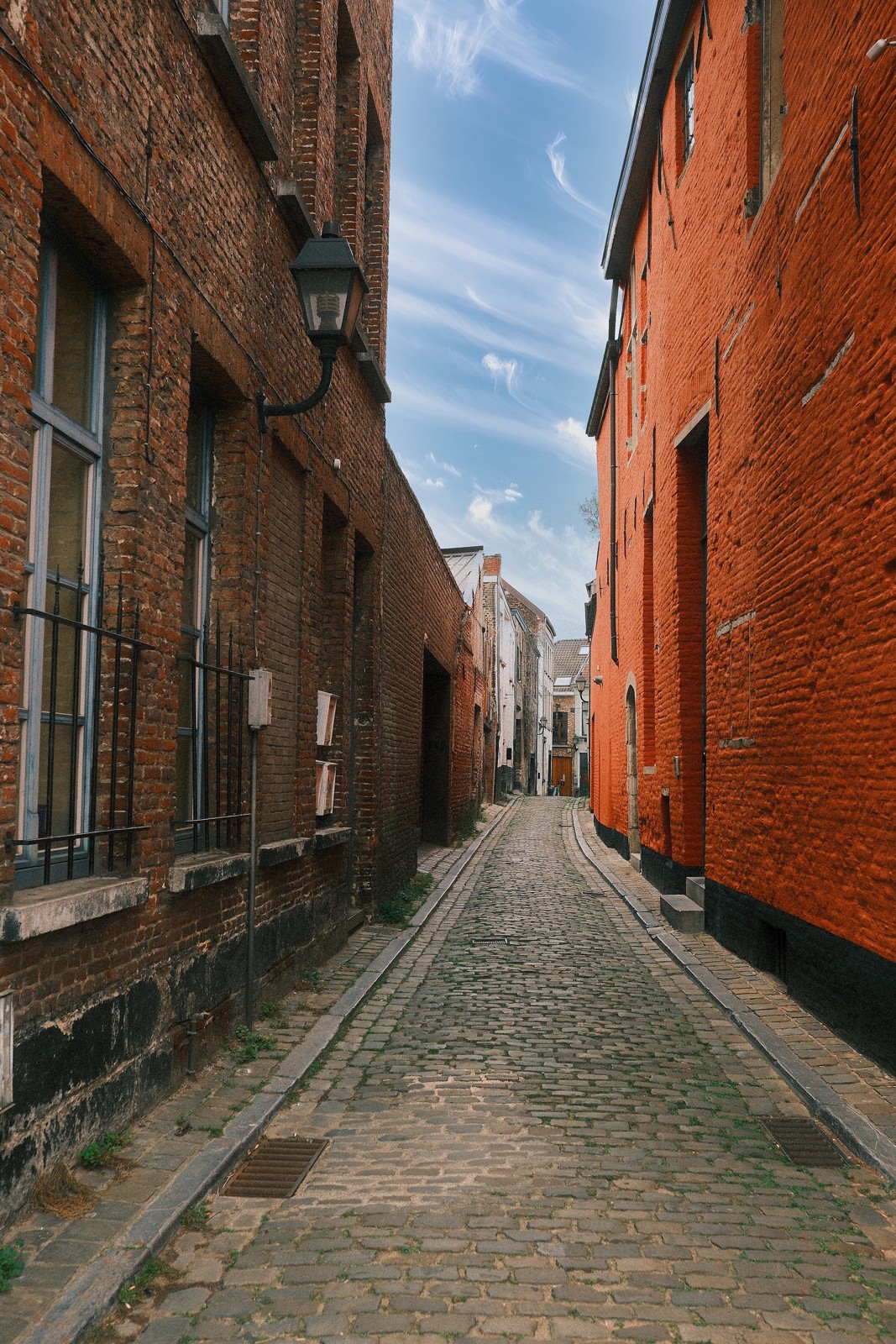 I liked wandering lanes like this, a few steps from the busy squares.
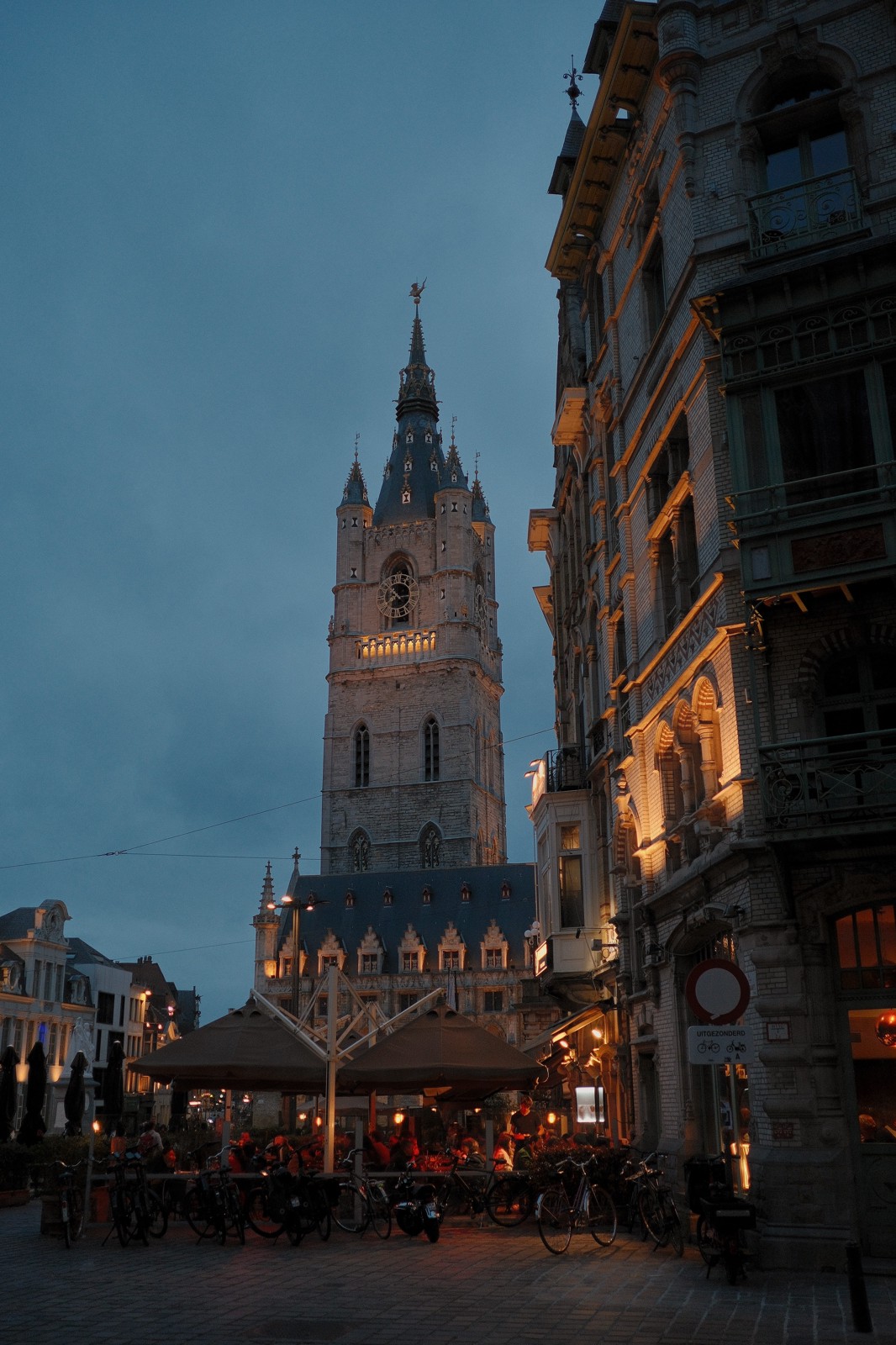 Stayed out until blue hour, when the terraces fill and the Belfry is lit.
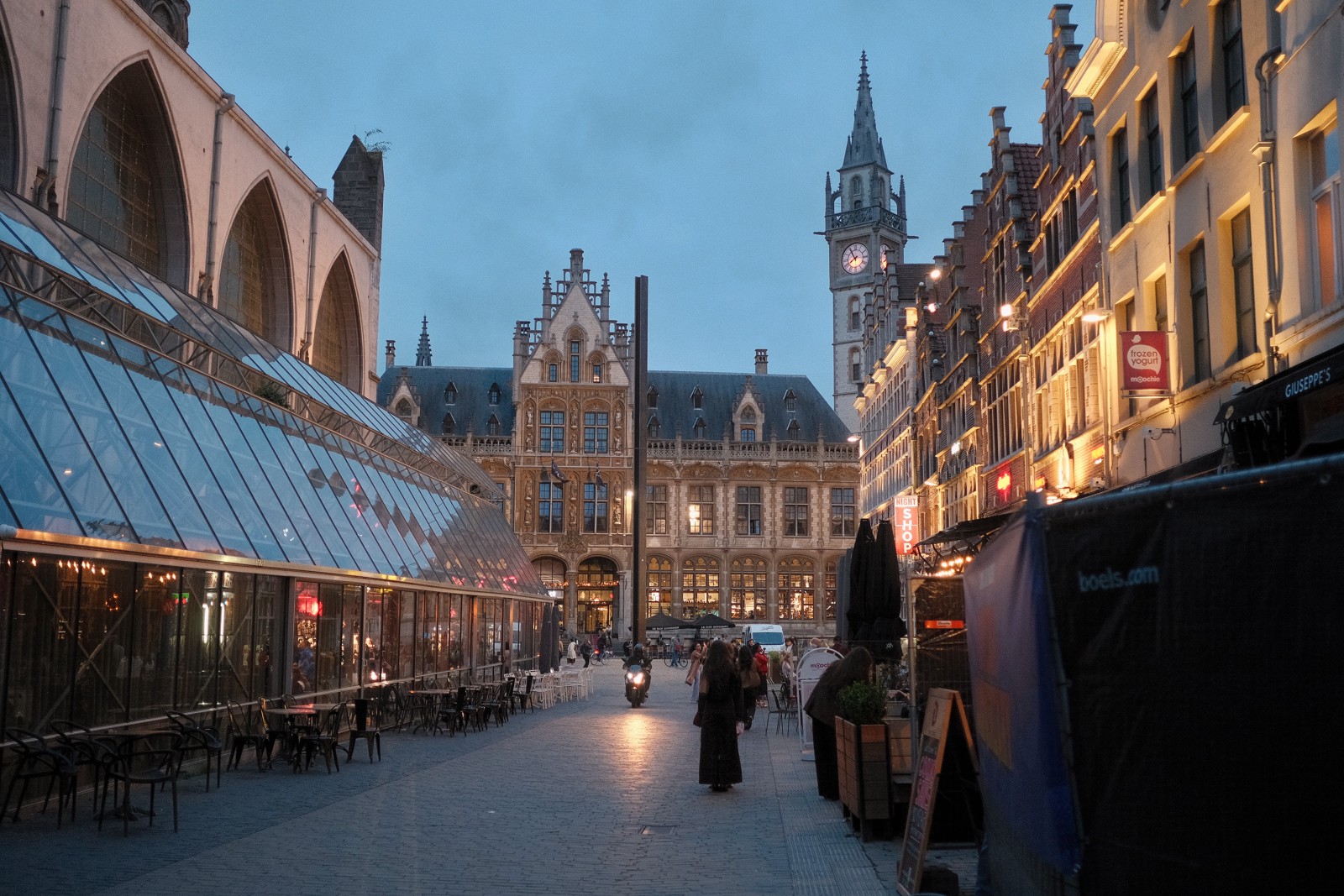 Ghent has had a lighting plan for its old centre since 1998, and it shows. The city is worth staying out for after dark.
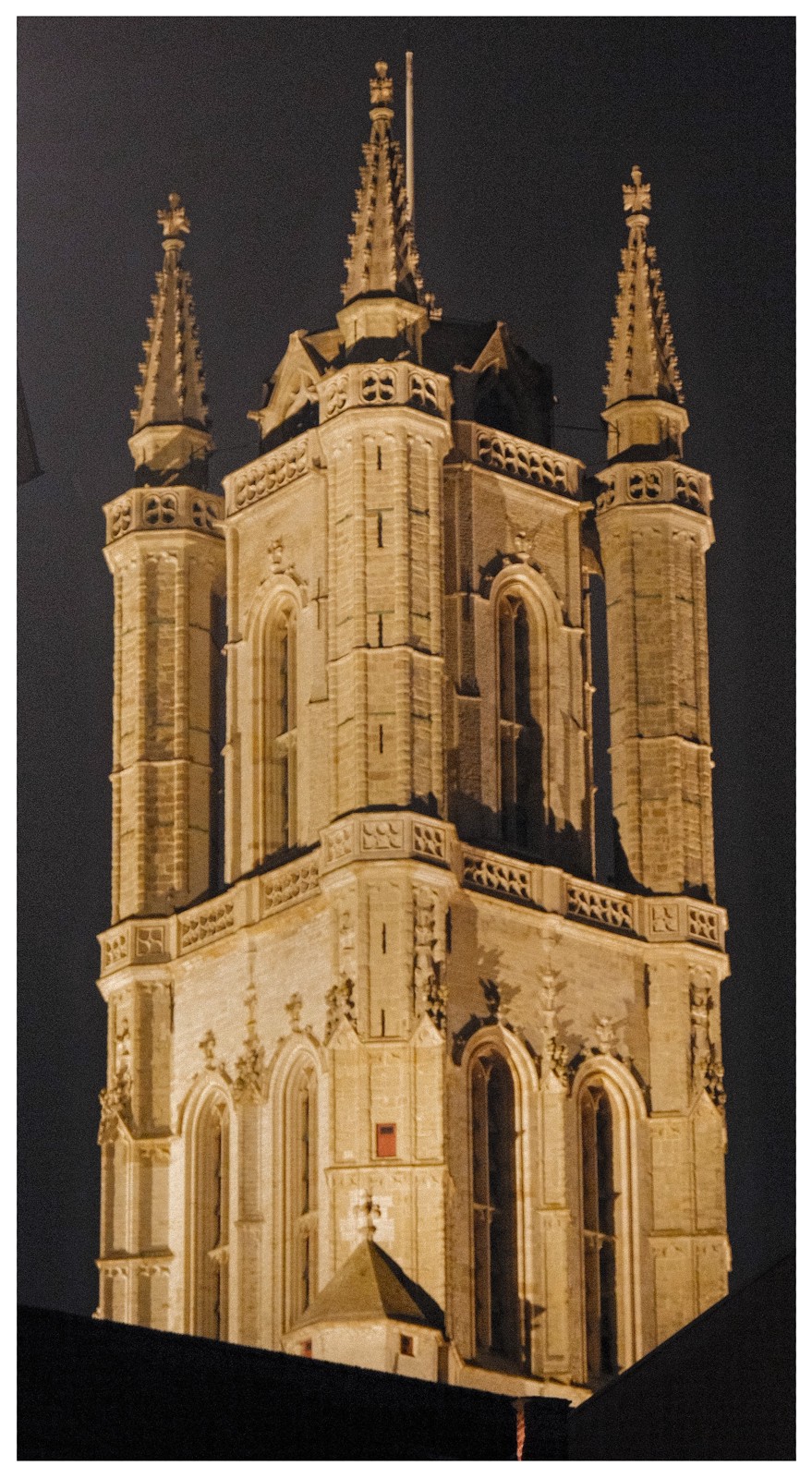 St Nicholas' tower was Ghent's lookout before the Belfry was built. Lit up at night, it's hard to miss.
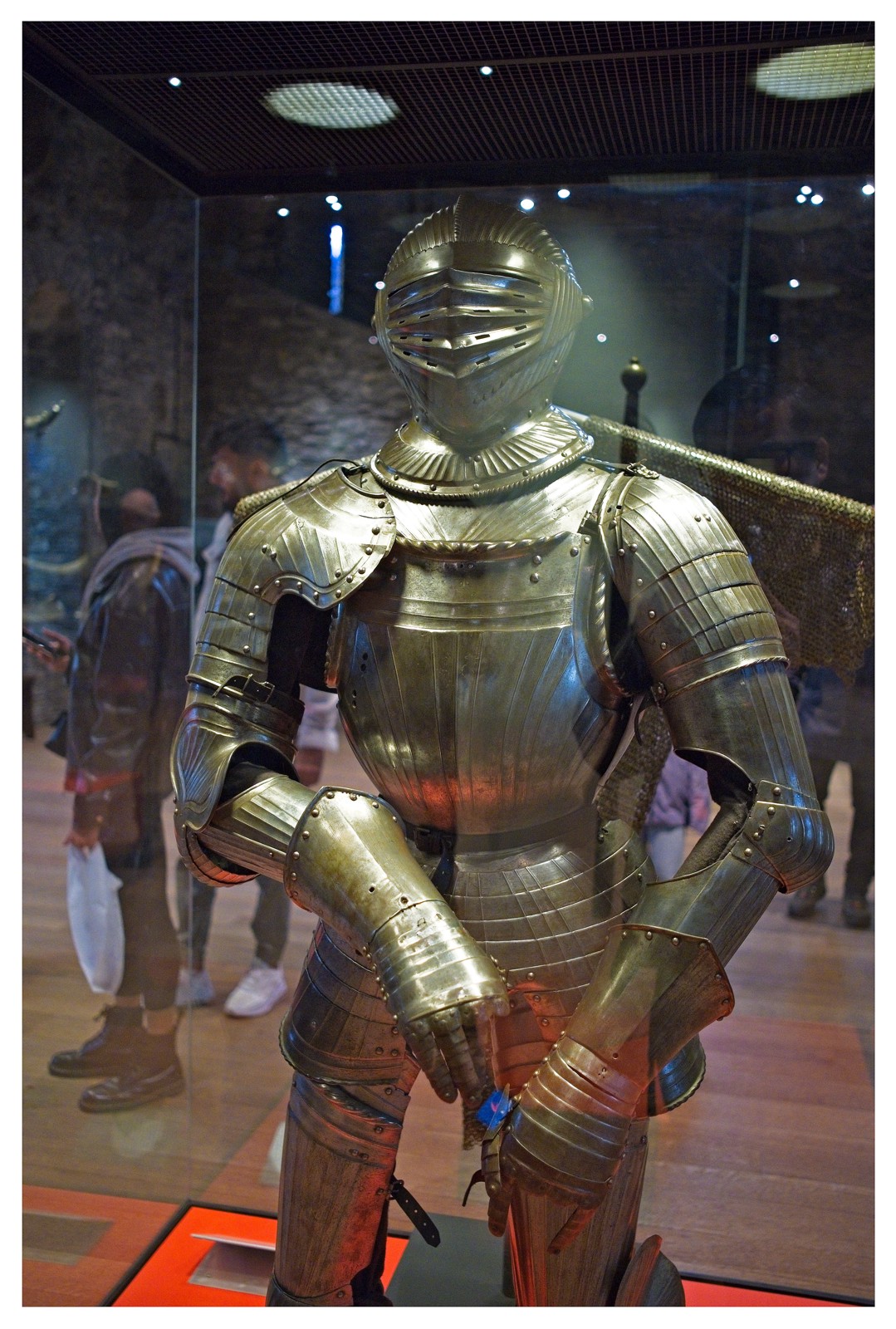 Gravensteen's collection runs from armour and weapons to a rather grim room of torture instruments.
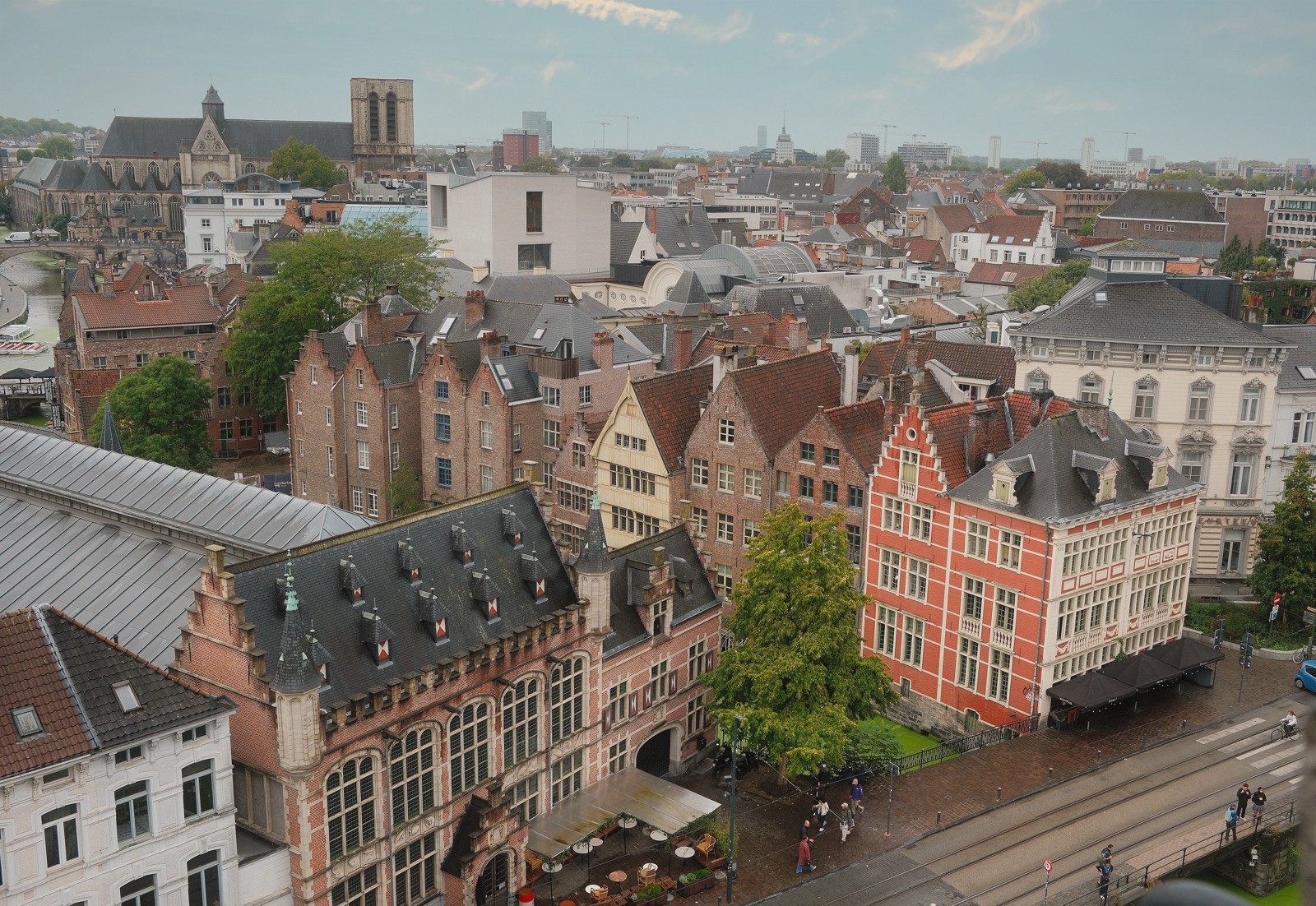 The walk through Gravensteen ends on the roof. I stayed up there a while, taking in the old centre.
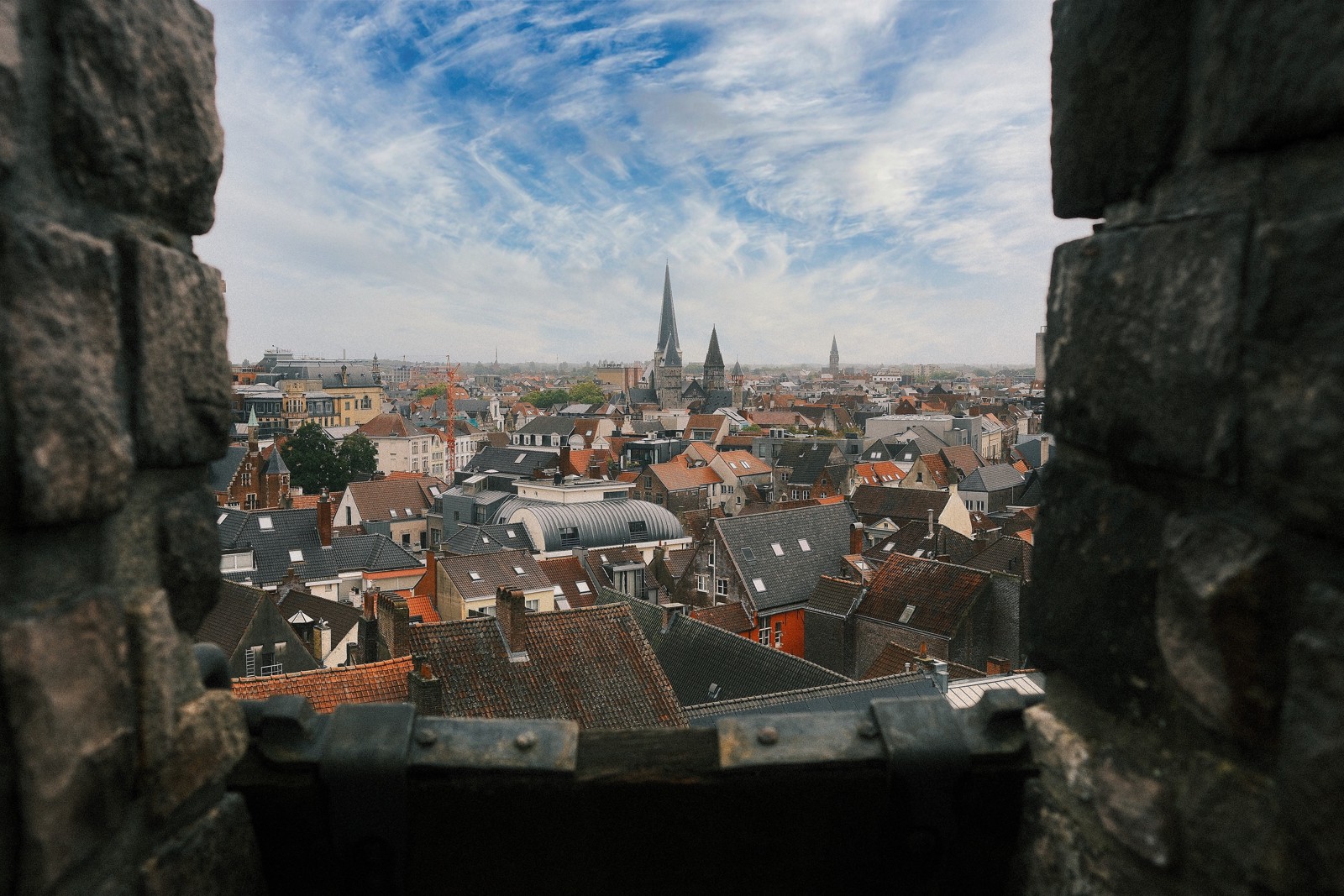
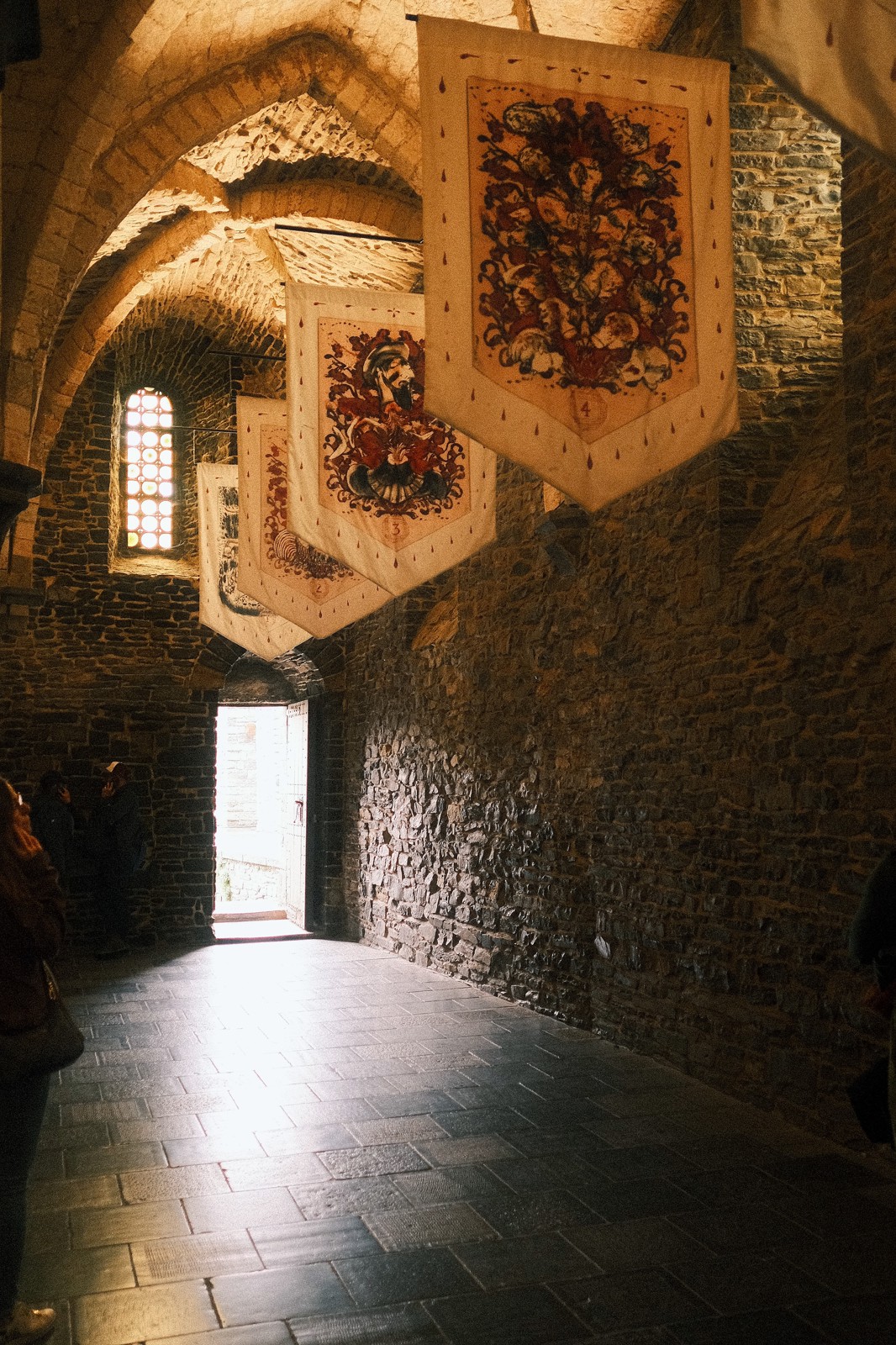
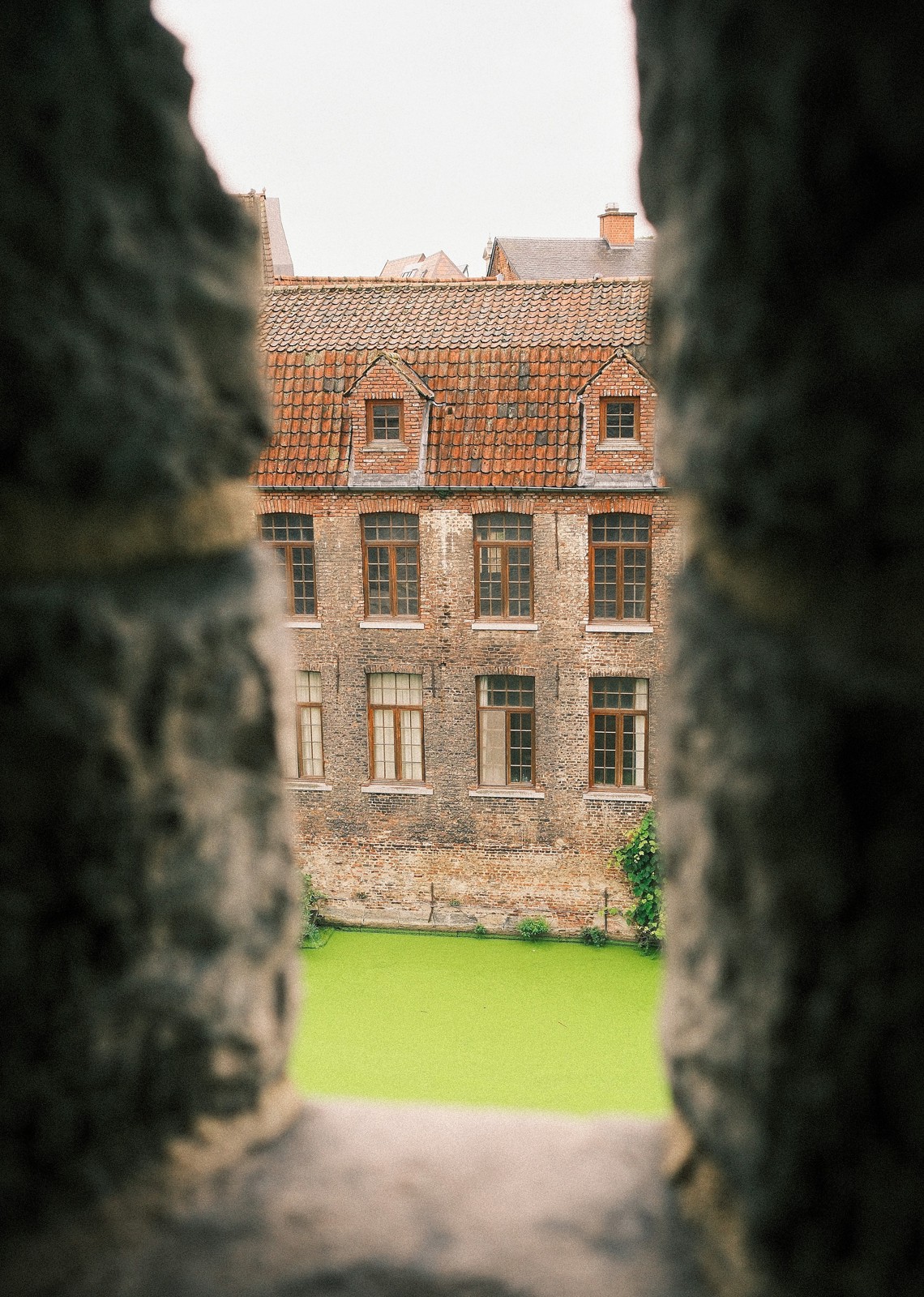
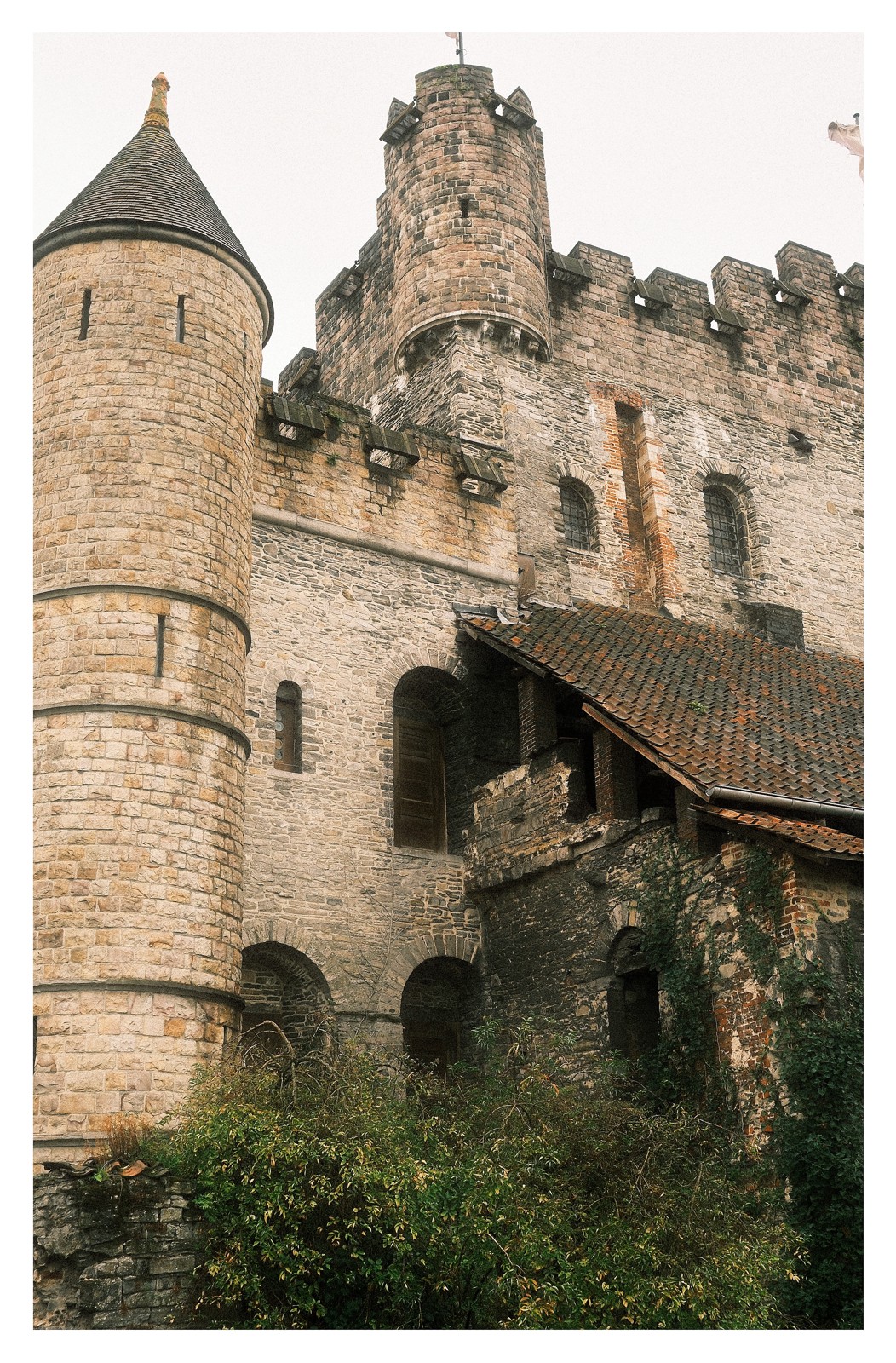 By the late 1800s the castle was close to ruin, and most of what you see was restored between 1893 and 1907. Knowing that didn't make it any less impressive.
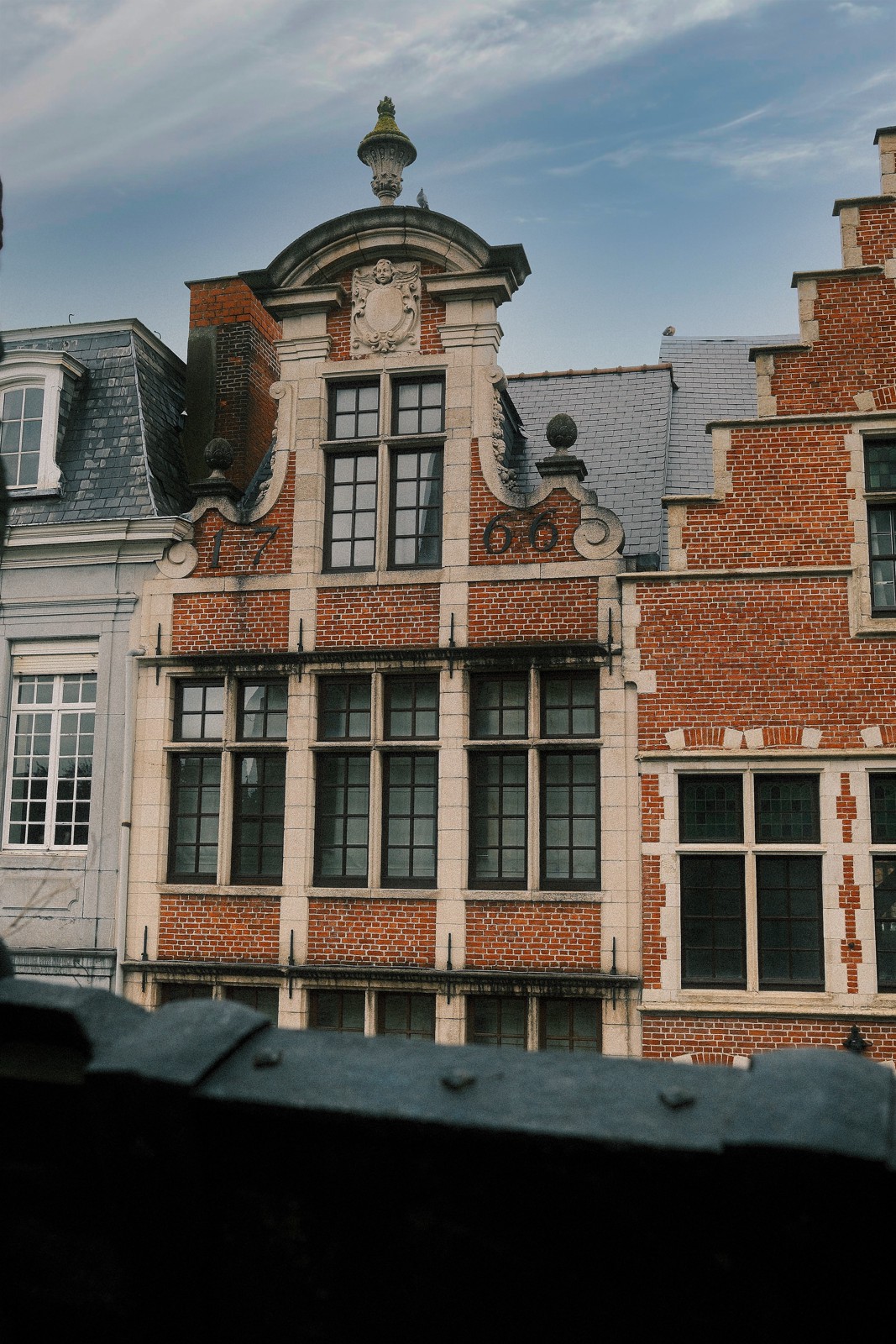 The square below the castle, Sint-Veerleplein, was an execution site for over 400 years. Today it's full of cafés, which felt a little strange knowing that.
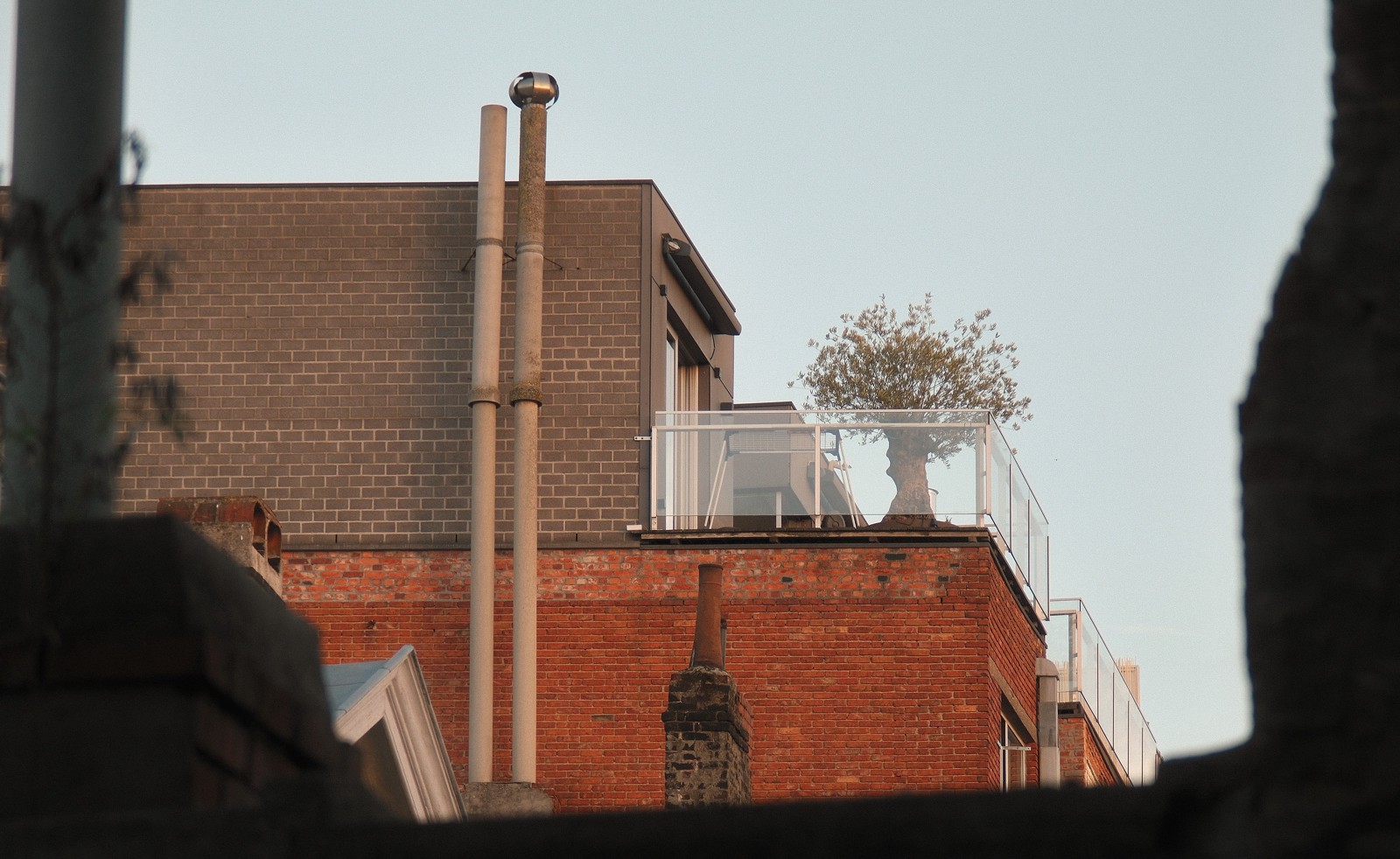 The view from my window in Ghent.
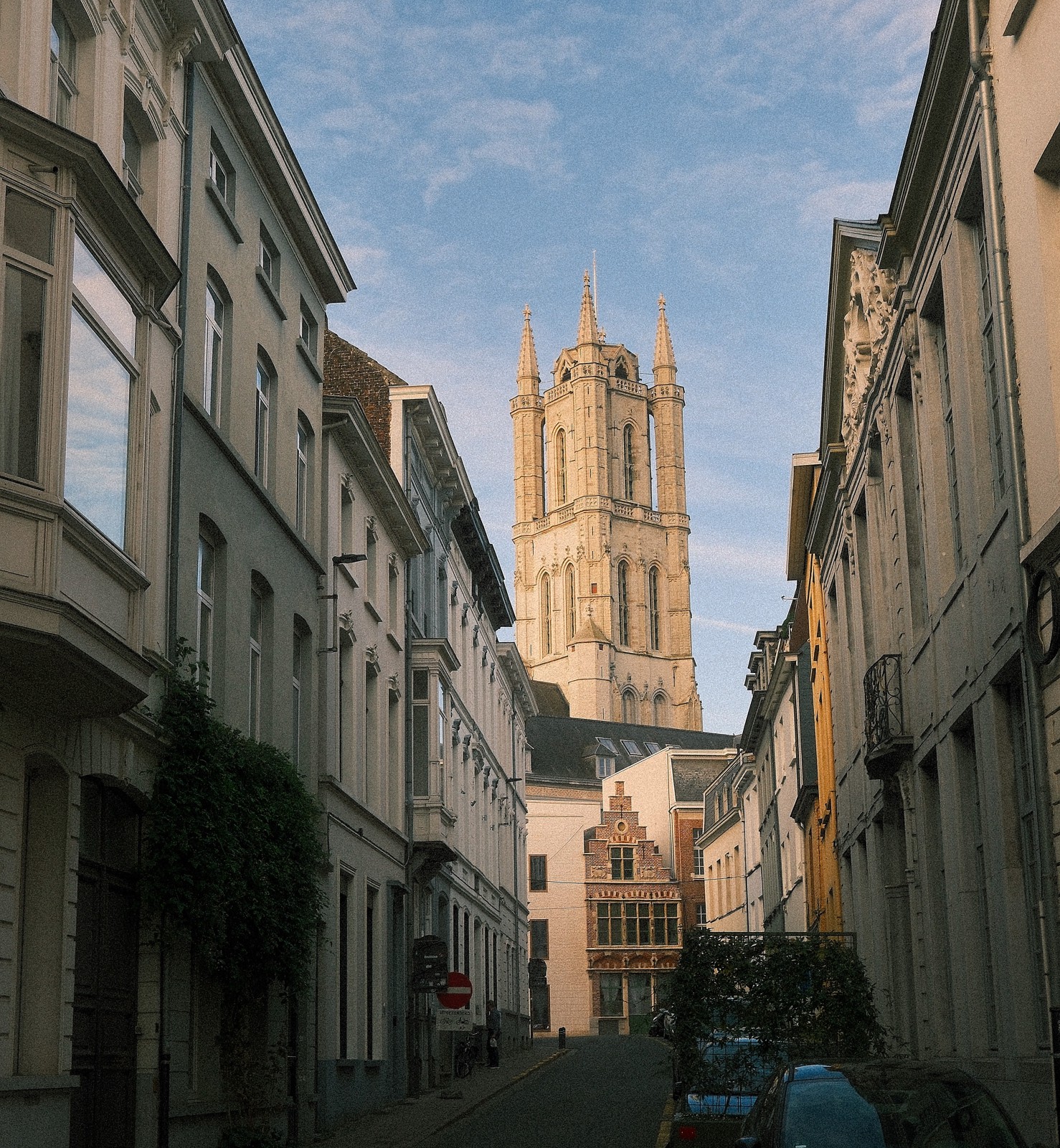 Ghent's three towers, St Bavo's, the Belfry, and St Nicholas', stand within a few hundred metres of each other, so I was never far from one.
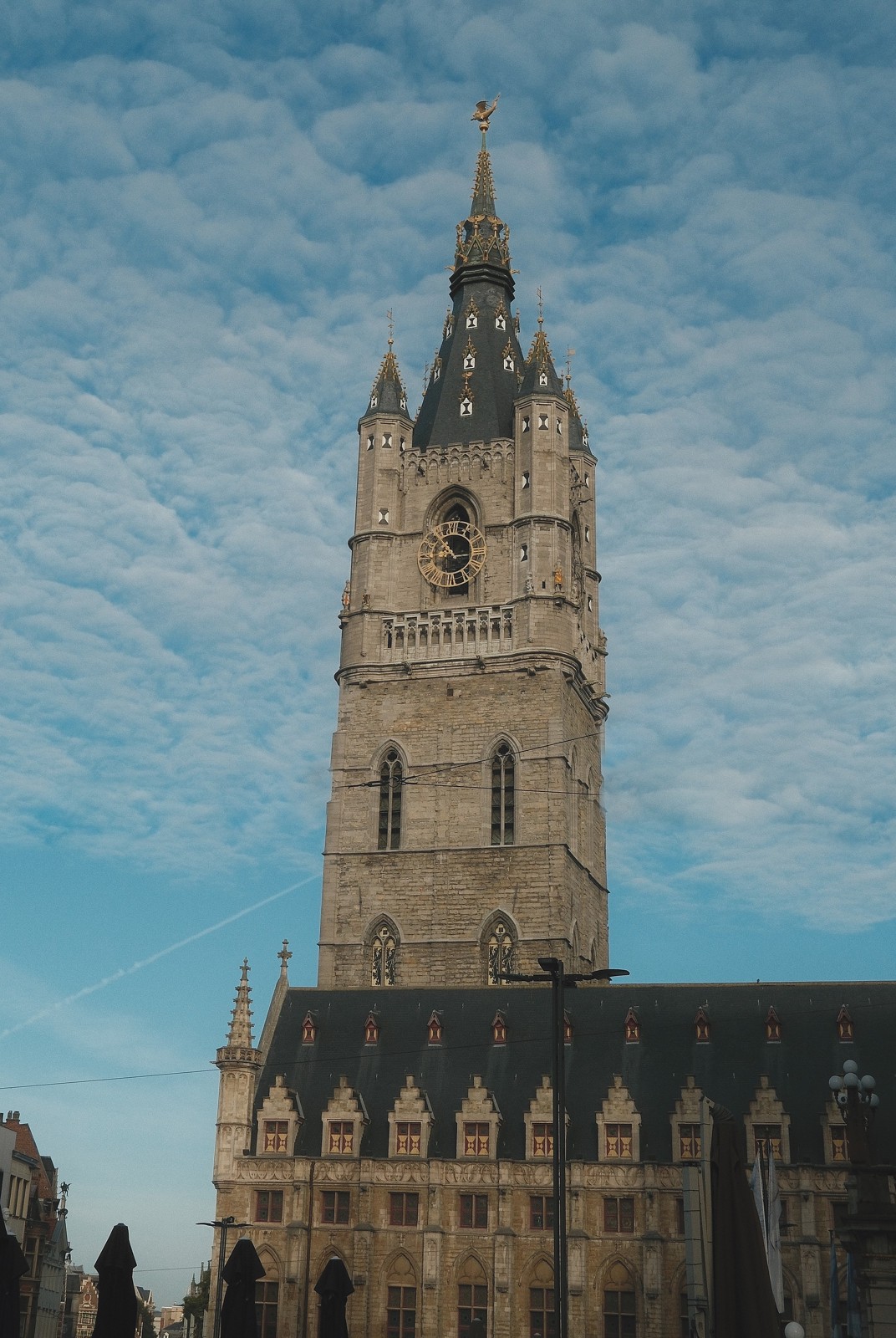 A dragon has watched over Ghent from the top of the Belfry since 1377. Some of the older ones are kept inside the tower.
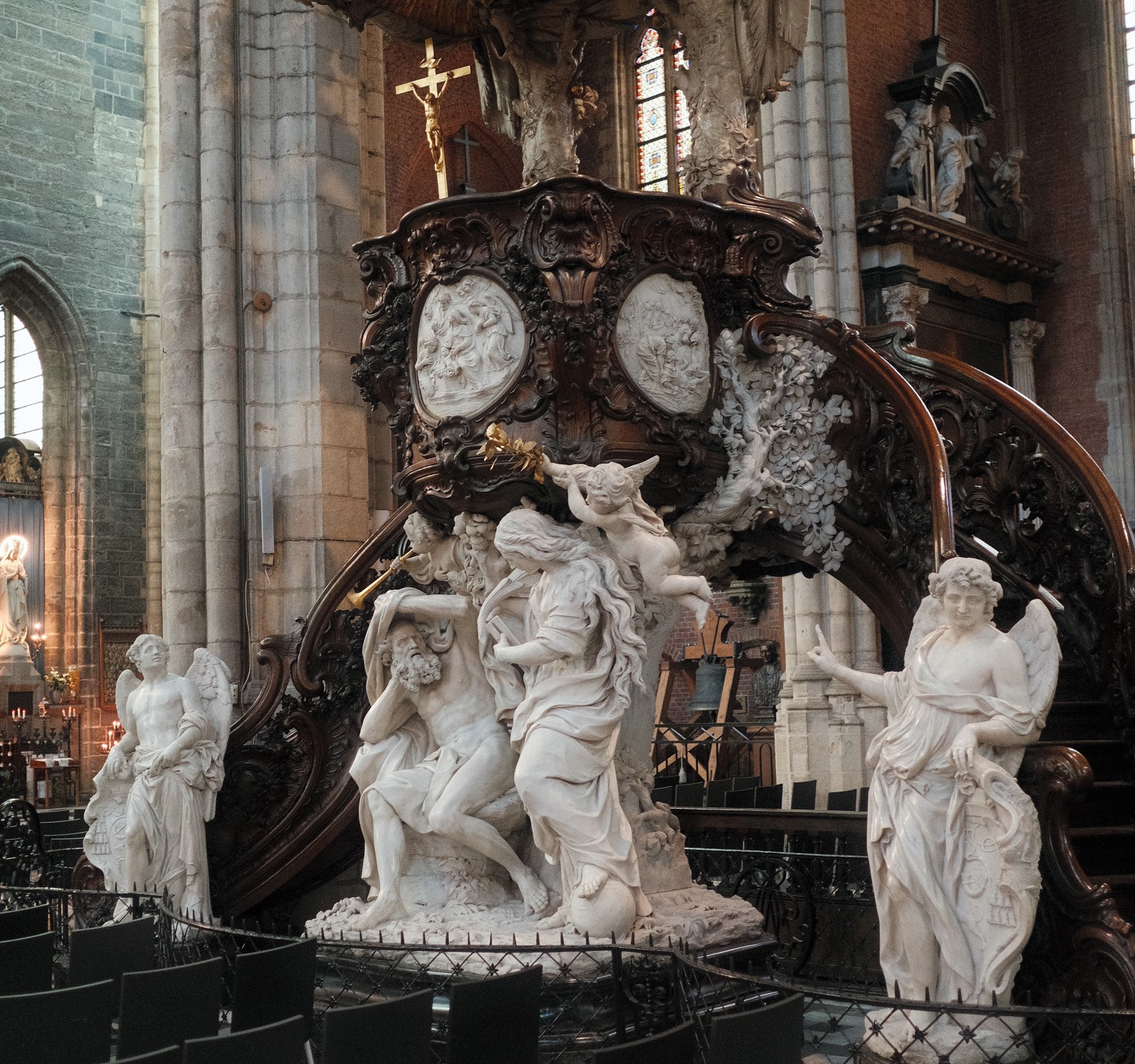 Emperor Charles V was baptised in St Bavo's in 1500.
38 km to Bruges, as the crow flies
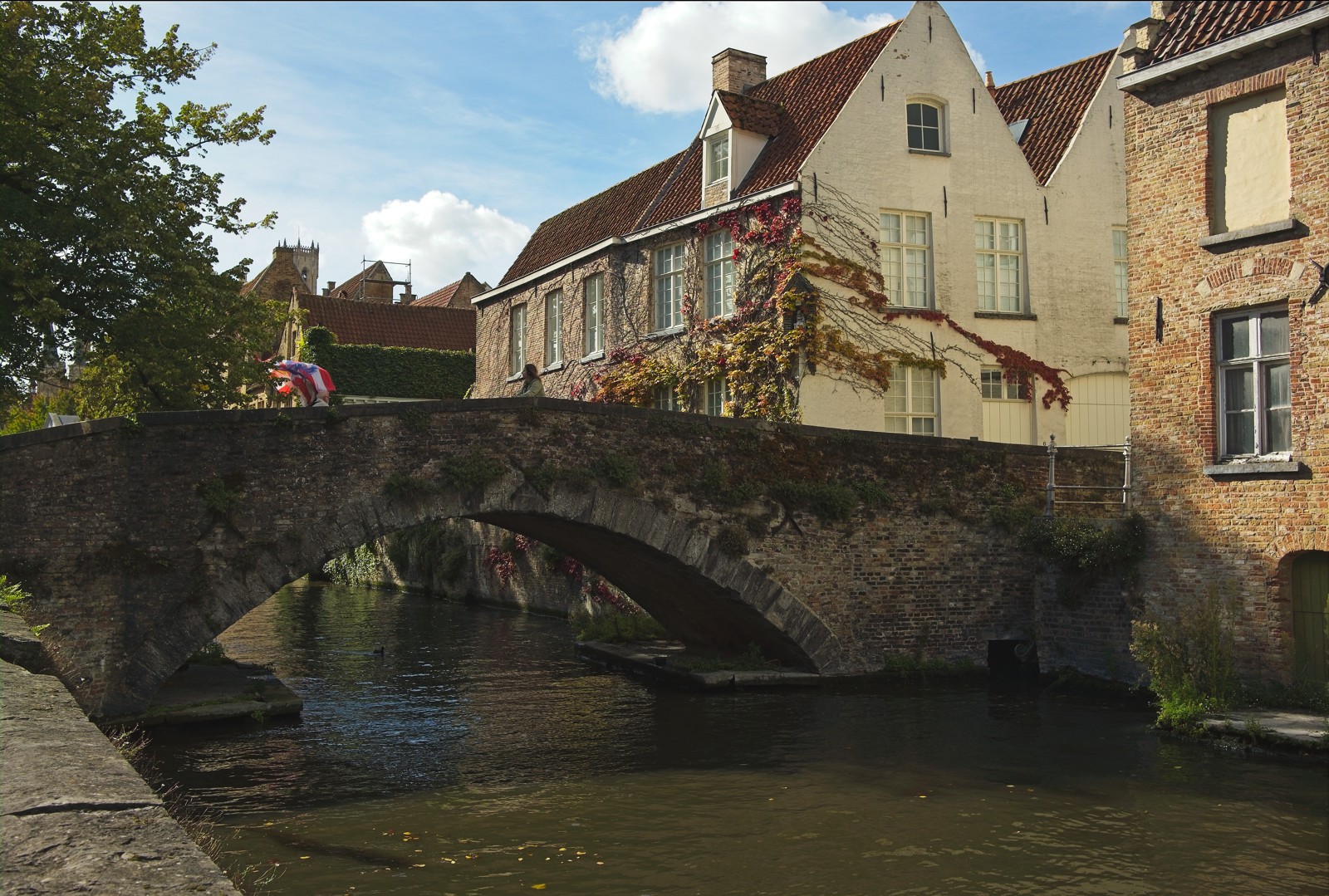 Bruges' decline, after its route to the sea silted up, is partly why the old centre survived. I'm glad it did.